
A parked domain is a domain name that has been registered but isn’t connected to a working website or email. Visit one and you’ll usually see a holding page from the registrar, a “for sale” notice or a page of adverts. Most parked domains are harmless: the owner simply hasn’t built anything yet. But if your own business domain shows a parked page, it isn’t pointed at a website, and Google won’t show it in search.
If you’re asking “what is a parked domain?”, you’ve probably typed your new web address into a browser and found a page of adverts instead of your business, or you’ve found the perfect name for your company sitting there with “this domain is parked”. I’m a freelance web designer in Clapham, London, and connecting parked domains to new websites is part of almost every project I do. I checked everything below on 17 November 2026 against Google’s own Ads Help and Search blog, Nominet’s dispute rules for .uk names and ICANN’s March 2026 research on parked domains. A lot changed in 2026, and most guides on page one haven’t caught up.
Key takeaways
- A parked domain is a registered name with no live website or email behind it. It shows a placeholder, a “for sale” page or adverts.
- A brand-new domain is often parked by default, so seeing a parked page on your own domain just means it isn’t connected to your website yet.
- On 10 February 2026 Google stopped showing ads on parked domains through its search partner network, which killed most “earn money from parking” schemes.
- Security researchers found some parked pages now redirect visitors to scams, so a mistyped version of your name can be used against your customers.
- Google has kept most parked domains out of its results since 2011. A parked domain won’t rank, but it won’t hurt your real website either.
- To unpark a domain, you point it at your hosting (or redirect it to your main site) from your registrar account.
What is a parked domain?
A parked domain is a web address that someone owns but isn’t using for a live website or email yet. Instead of a real site, the domain points to a simple page the registrar or a parking company controls.
Think of it like a car parked in a bay: it’s yours, it’s taking up the space so nobody else can have it, but it isn’t going anywhere. The word “parked” is used in three slightly different ways, which is why the answers online can seem to contradict each other:
| What people mean | What visitors see | Who usually does it |
|---|---|---|
| A registrar holding page | A plain “this domain is registered” or “coming soon” page | Your registrar, automatically, when you buy a domain |
| A monetised parking page | A page of adverts or “related searches”, often with “this domain may be for sale” | Domain investors who hold names to sell them |
| An alias in your hosting panel | Exactly the same website as your main domain | You or your web designer, in cPanel or a similar panel |
The third meaning is a technical one. cPanel, the hosting control panel many UK hosts use, describes a parked domain as “a secondary domain that points to the user’s primary domain” (cPanel docs). For most business owners, though, a parked domain means the first two: a name with nothing real behind it.
What does it mean when a domain is parked?

When a domain is parked, it means the name is registered and renewed, but its settings send visitors to a placeholder instead of a website. It does not mean the domain is broken, expired or available to buy.
That last point catches people out. A parked domain still has an owner. If it’s a name you want, you can’t simply register it; you’d have to buy it from the owner or wait to see if they let it expire. If it’s your own domain, “parked” just tells you nobody has connected it to hosting yet. Your domain and your hosting are two separate things, and I explain how they fit together in domain vs hosting.
Why does my new domain show a parked page with ads?
Your new domain shows a parked page because most registrars point every new domain at their own placeholder until you tell them where your website lives. On some registrars that placeholder carries adverts.
GoDaddy, for example, says that when a domain is parked it will “display a parked page on your domain to let visitors know the domain is taken” (GoDaddy Help). It also runs a paid parking service, CashParking, where adverts appear on your parked domain and you keep a share of the click money. So if your brand-new business address is showing adverts, you haven’t been hacked. Nobody has pointed it at your website yet.
The fix takes minutes once you have hosting: change the domain’s nameservers or DNS records to your host, and the parked page disappears (I cover the steps further down). If a web designer is building your site, this is normally the last job before launch. With me, a small website goes live 10 to 15 working days after the content is in, and the domain is connected on launch day. You can see how a build runs from start to finish on my web designer in London page.
What changed for parked domains in 2026?
In 2026 the money behind parked domains largely disappeared, and what replaced it worries security researchers. Two changes matter if you own a business domain.
Google stopped showing ads on parked domains
Google Ads Help defines a parked domain site as “a web address that was purchased but not thoroughly developed”. Its notice says parked domains “will cease to be an ad surface within the search partner network effective 10 February 2026” (Google Ads Help). For years Google’s ads were the main income for parking pages, so most guides that tell you to “earn passive income by parking your domain” are now out of date.
Some parked pages now send visitors to scams

Research by the security firm Infoblox, reported in December 2025, found that visitors to parked domains were sent on to scams, scareware or malware “over 90% of the time” when they arrived from a normal home connection, while the same pages looked harmless to anyone checking through a VPN (Krebs on Security). Many of those domains were misspellings of well-known brands.
ICANN, the body that coordinates domain names worldwide, ran its own check in March 2026 on a random sample of parked domains and found that 5.5% showed “some potential for harm”, mostly through what it calls zero-click redirection, where visitors are moved to other sites “without any interaction on their part” (ICANN). That’s a much smaller share than Infoblox found, because ICANN looked at parked domains in general rather than lookalike names, but both point the same way: a page of random adverts is not something you want your customers landing on.
For a small business the practical risk is a typo. If a customer mistypes your web address and lands on someone else’s parked domain, they could end up on a scam page that looks like it has something to do with you. That’s one good reason to own the obvious misspellings and redirect them to your real site.
Bought a domain but still have nothing on it? I’m a freelance web designer, not an agency, so you deal with me from the first call to launch day. I’ll build a bespoke WordPress site, connect your domain and keep the domain and hosting in your name. See my web design services in London or book a free consultation.
Is a parked domain bad for SEO?
A parked domain won’t rank on Google, but it doesn’t harm your real website either. Google has deliberately kept parked domains out of its results for years.
Back in December 2011, Google announced a “parked domain classifier”, an algorithm for spotting them automatically. It described parked domains as “placeholder sites with little unique content” that “are often filled only with ads”, and said that in most cases it would rather not show them (Google Search blog). So a parked page is never going to bring you customers from search. If your business website isn’t appearing at all, a parked or unconnected domain is one of the first things I check, alongside the causes in why your website isn’t showing on Google.
Spare domains are a different story. If you own several names, don’t make each one show a full copy of your website. Use a permanent (301) redirect so they all lead to one main domain, and Google treats that main domain as the real one. If you’re still deciding which ending to use as your main address, my guide to .co.uk or .com walks through it.
Parked domain vs redirected domain vs live website
The difference is what happens when someone types the address: a parked domain shows a placeholder, a redirected domain sends visitors to another site, and a live domain shows your own website.
| Parked domain | Redirected (forwarded) domain | Live website | |
|---|---|---|---|
| What visitors see | Placeholder, “for sale” page or adverts | Your main website, at your main address | Your own website |
| Shows in Google? | Rarely, Google keeps most parked pages out | No, Google shows the main domain instead | Yes, once it’s indexed |
| Good for | Holding a name until you’re ready | Misspellings, old names, other endings | Your actual business |
| Risk for a business | Customers think you’ve closed or vanished | Low, if it’s a proper 301 redirect | None, as long as it’s kept renewed |
A separate site on a second domain is a third option, but it’s rarely worth it for a small business. I explain why in what is a microsite.
Someone has parked the domain I want. What can I do?
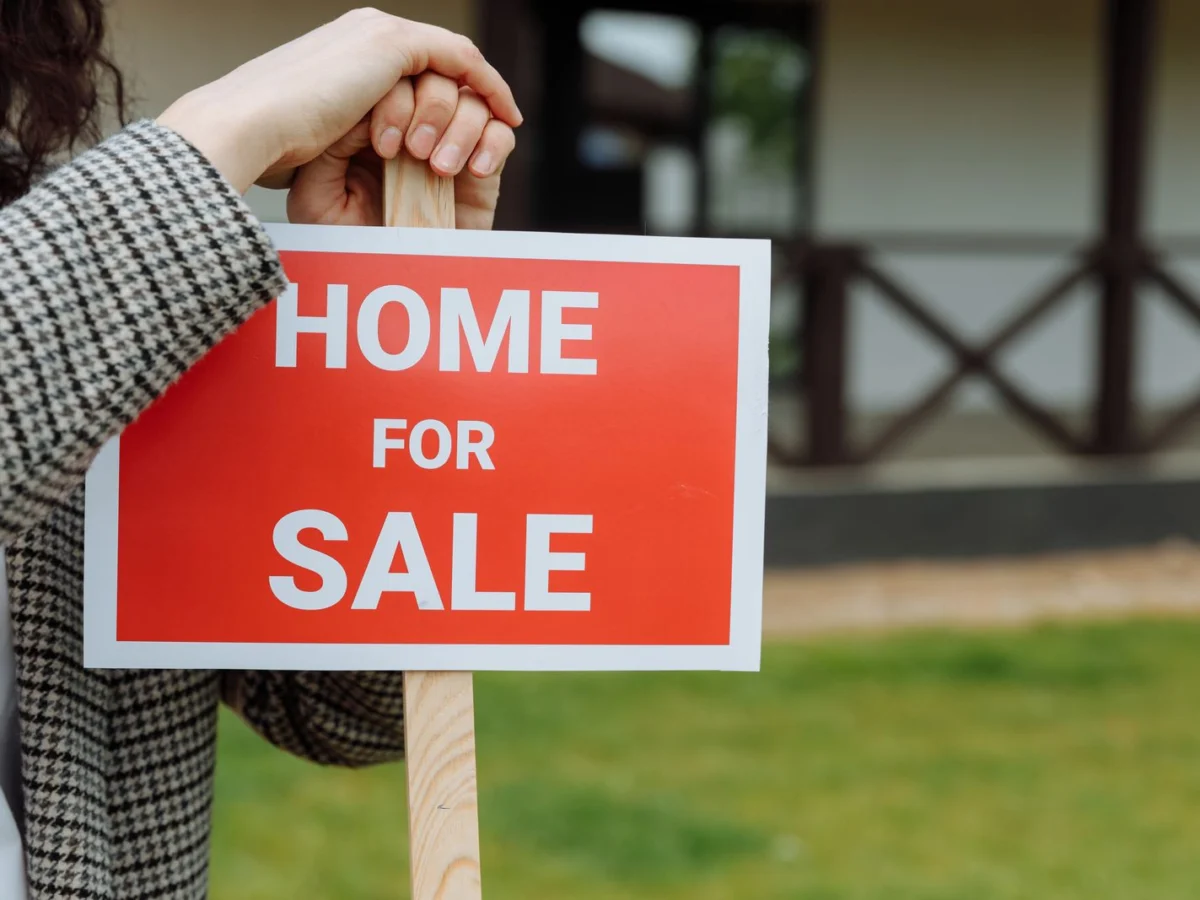
If someone else has parked the domain you want, you can offer to buy it, wait to see if it expires, pick a different name or, if it’s a .uk name being used unfairly against your business, use Nominet’s dispute service.
Owning domains you don’t use isn’t wrong in itself. Nominet’s dispute policy says that “trading in domain names for profit, and holding a large portfolio of domain names, are of themselves lawful activities”, and that “connecting domain names to parking pages and earning click-per-view revenue” is “not of itself objectionable” (Nominet DRS Policy, paragraphs 8.4 and 8.5). What the expert looks at is the name itself, the adverts on the parking page, and the fact that the owner is responsible for how the name is used. A parked copy of your registered business name filled with adverts for your competitors is a very different case from a dictionary word that happens to match.
The process changed this year. Since 7 July 2026 the World Intellectual Property Organization (WIPO) runs the .uk dispute service on Nominet’s behalf, and new complaints go through WIPO’s website. Mediation is free; if it fails, a full expert decision costs £750, a summary decision (when the owner doesn’t respond) costs £200 and an appeal costs £3,000. VAT no longer applies to cases raised on or after 7 July 2026, and a full case takes roughly eight to 12 weeks (Nominet). I’m not a lawyer, so if real money or a trade mark is involved, get proper legal advice first.
If you do agree a sale, the domain has to be moved into your name and onto your registrar. For .uk names that still means the IPS tag system until February 2027, which I explain in what is an IPS tag.
How do I unpark my domain and get a website live?
To unpark a domain, you log in to your registrar, switch off any parking service and point the domain at your web hosting. Here’s the order I follow for clients:
- Check the domain is in your name. Log in to the registrar and make sure you (or your business) are the registrant, with an email address you still use.
- Turn off any parking or ad service. If the registrar has added a parked page or a paid parking product, switch it off so no adverts show.
- Get hosting in your own name. Your host gives you either nameservers or an IP address for the domain.
- Point the domain at the hosting. Change the nameservers, or the A record, at the registrar. The change can take a few hours to show while DNS updates.
- Don’t break your email. If you already use the domain for email, copy the existing MX records across before you switch nameservers.
- Add HTTPS and launch the site. Make sure the padlock shows on both the www and non-www versions.
- Redirect your spare domains and tell Google. Point misspellings and other endings at the main site with 301 redirects, then add the main domain to Google Search Console so you can see it being indexed.
You can do all of this yourself if you’re comfortable in a registrar’s DNS settings. If not, it’s worth paying for help, because one wrong record can take your email offline. On my website projects it’s included: the site is built, the domain is connected and the hosting and domain stay in your name. A new bespoke website starts at £1,500 for up to five pages or £2,500 for up to 15 pages, 50% to start and 50% at launch (my prices). I don’t edit websites someone else built, so if there’s an old site on the domain that’s holding you back, I’d rebuild it rather than patch it.
Should I park spare domains for my business?
Yes, owning a few spare domains is sensible, but redirect them to your main website rather than leaving them on a parked page. Find your situation here:
| Your situation | What I’d do |
|---|---|
| You’ve bought a domain for a business that hasn’t launched | Leave it parked on a plain holding page with no adverts, and keep auto-renew on |
| Your live business domain shows a parked page | It isn’t connected to hosting. Point it at your host, or ask whoever built your site |
| You own common misspellings of your name | Redirect them to your main site with a 301, never a page of adverts |
| You own both the .co.uk and the .com | Pick one as your main address and redirect the other |
| The name you want is parked by someone else | Check if it’s for sale, or choose a close alternative |
| Your registered business name is parked with competitors’ adverts | Collect screenshots and look at the Nominet dispute service (via WIPO) |
| Your old website is gone and the domain is about to expire | Renew it first. An expired business domain can be picked up and parked by someone else |
That last row matters more than people think. When a business domain lapses, investors can register it and park it on adverts, and your old customers, links and reviews then point at a page you don’t control. If you’ve let a website lapse and want to get back on Google, a fresh site plus some SEO help is usually quicker than you’d expect.
What is a parked domain: frequently asked questions
What is a parked domain in simple terms?
A parked domain is a web address someone has registered but isn’t using for a website or email yet. Visitors see a placeholder, a for-sale notice or adverts instead of a real site.
Why is my domain showing as parked?
Because it isn’t connected to any web hosting yet. Most registrars point new domains at their own placeholder page until you change the nameservers or DNS records to your host.
Is a parked domain safe to visit?
Usually, but not always. Infoblox found many lookalike parked domains redirecting home visitors to scams, and ICANN found 5.5% of its 2026 sample showed some potential for harm, so avoid clicking adverts on unknown parked pages.
Can I buy a parked domain?
Often, yes. Many parked domains are for sale, either through a notice on the page or a broker. A parked domain still has an owner, so you can’t simply register it until it expires.
Can you still make money from parking a domain?
Much less than before. Google stopped showing ads on parked domains through its search partner network on 10 February 2026, which removed the main source of parking income.
Is a parked domain bad for SEO?
It won’t rank, because Google has kept most parked domains out of its results since 2011, but it doesn’t harm your main website. Redirect spare domains to your main site with a 301 instead of leaving them parked.
Ready to turn your parked domain into a real website?
Now you know what a parked domain is, why your own one might be showing adverts and how to get it working for you. If you’ve got a domain sitting there doing nothing, tell me about your business. I’ll build you a bespoke website, connect the domain and keep everything in your name, so your web address finally brings in customers instead of showing a placeholder. You can see what’s included on my web designer in London page.
Book a free consultation, or call or WhatsApp me on 07404 145722. No jargon, just a website that’s actually live.

Freelance web designer and SEO in Clapham, London, and two-time Prestige Awards Web Designer of the Year. I design, build and rank websites for small businesses. More about me